
VıDEOKUNSTARKIVET SANATÇILARI İLE RÖPORTAJLAR - PART III
Sanatsal pratiğinizi kısaca nasıl tanımlarsınız? Çalışmalarınızda genellikle hangi temalar veya kavramlar ön plana çıkıyor?
Mattias Härenstam: Çalışmalarım film, heykel, enstalasyon, baskı resim ve daha pek çok farklı sanat formunu kapsıyor. Malzeme veya medya ne olursa olsun, kontrol arzusu ve bu arzunun çöktüğü durumlara olan ilgi, çalışmalarımda tekrar eden bir tema. Bunun ötesinde ise başarısızlık korkusu ve bunun sonucunda belirsiz bir uçuruma düşme korkusu var. Bu “ne pahasına olursa olsun görünüşü korumak” ve bunu yapmanın gerçek maliyeti. Benim için bu sadece psikolojik veya varoluşsal bir durum değil, aynı zamanda politik bir durumdur.
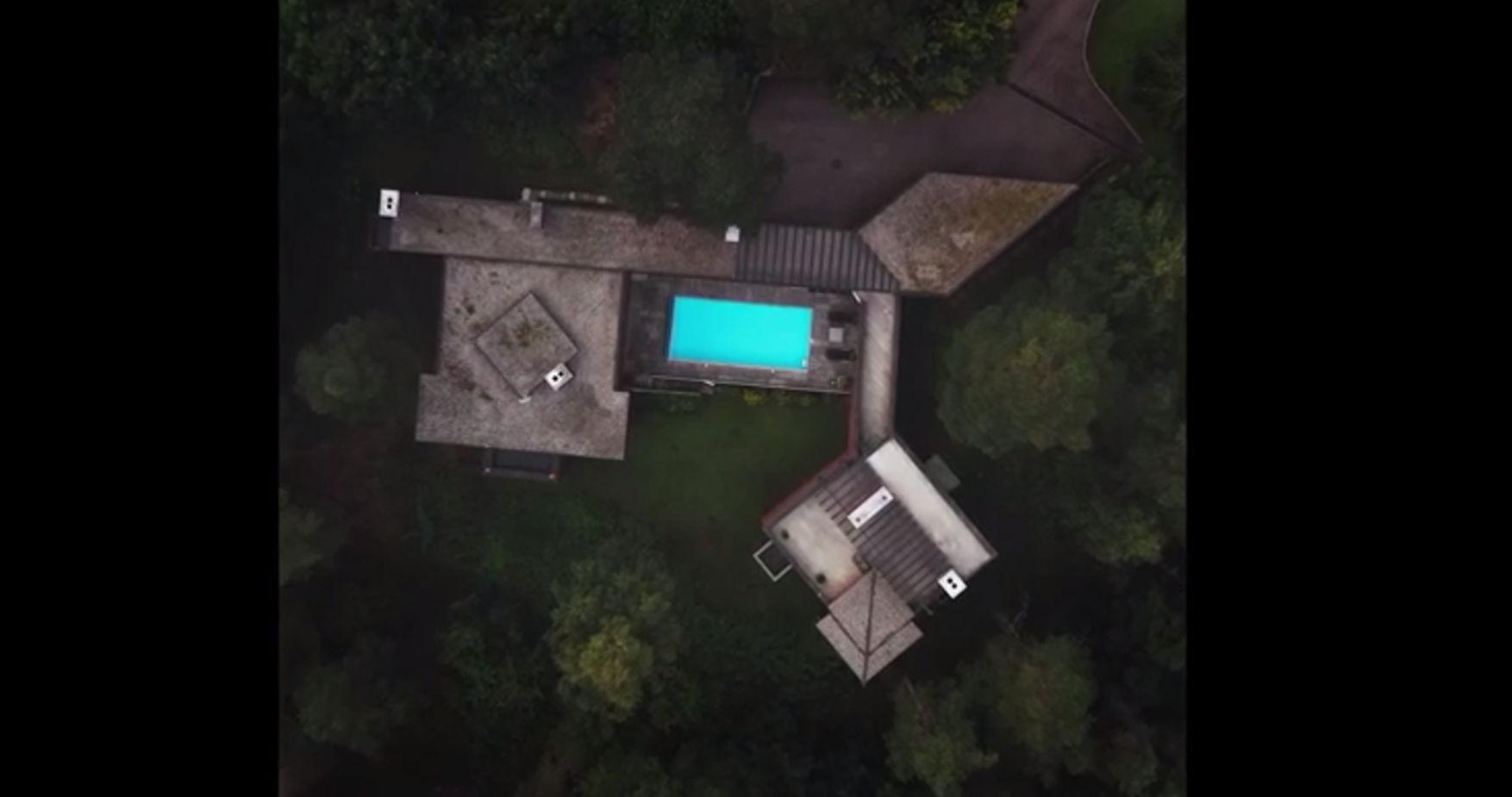
Paul Tunge: Yazar odaklı uzun metrajlı filmler yapmanın yanı sıra, son on beş yıldır modernizmle bağlantılı kısa belgeseller de yapıyorum. Modernist mimari üzerine belgesellerin yanı sıra, görsel sanatçılar ve tasarımcıların korsan radyo programları da var. Sinema dilinde farklı teknikler ve formlar kullanabileceğim, konuyla uyumlu veya kontrast oluşturabilecek konular seçmeye çalışıyorum.
Paul Tunge
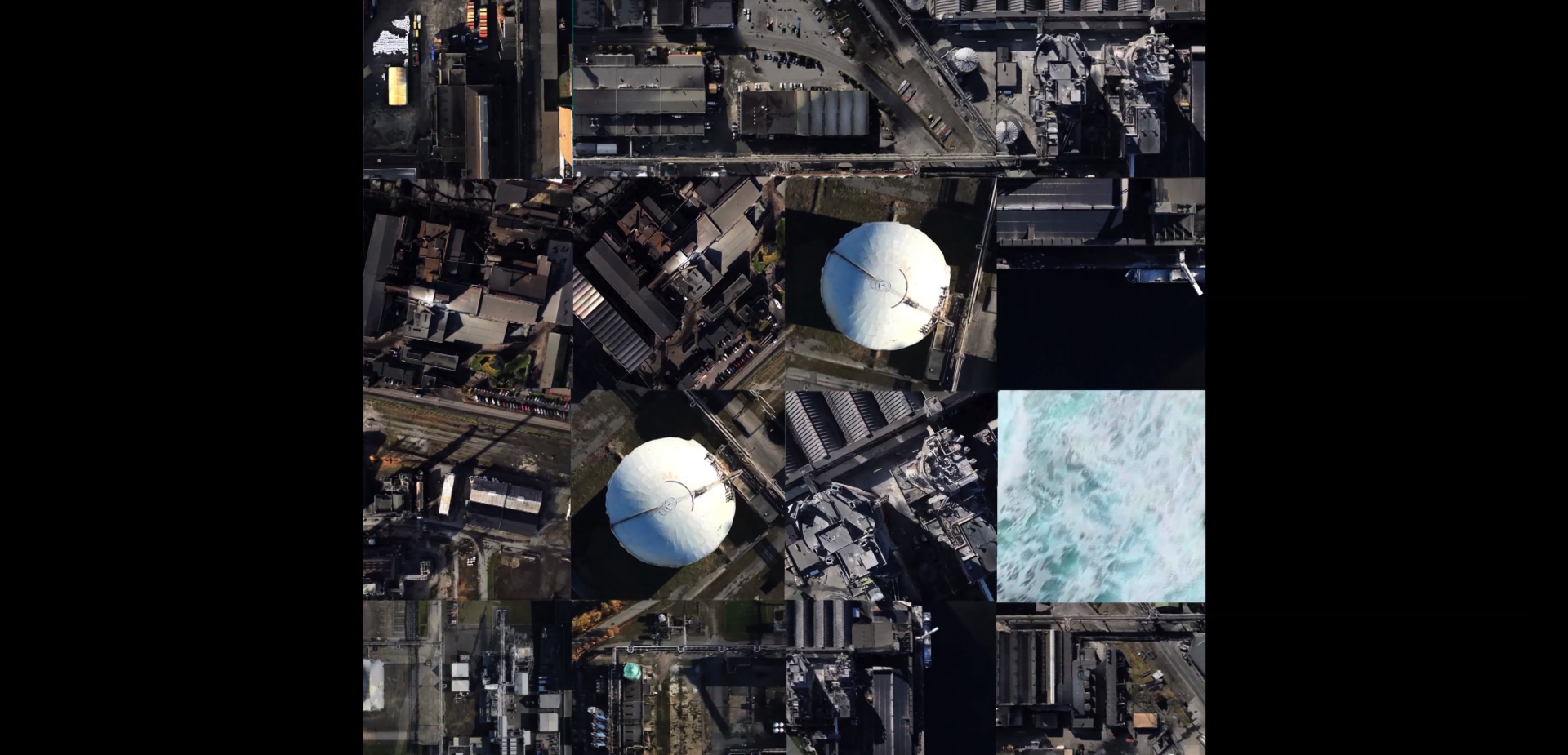
Pierre Lionel Matte: Çalışmalarımın kaynağı kişisel biyografim ve günlük olaylar, çağdaş siyaset ve ulusal kimlik, yabancı düşmanlığı, ekoloji ve sanat tarihi konularını ele alan edebiyattır. Sanat yapmanın ve deneyimlemenin sürekli bir öğrenme süreci olduğuna inanıyorum ve insanlarla ve yerlerle yeni kişisel karşılaşmalar, çalışmalarımın sürekli bir değişim sürecinde olmasını sağlayacak ilham kaynağı olacaktır. Sık sık sosyal meseleleri kişisel bir bakış açısıyla ele almaya çalışır ve günlük deneyimlerin ve olayların genel ve küresel meseleleri nasıl yansıtabileceğini incelerim. Şiirsel ile politik, mizahi ile ciddi olanı bir araya getirmeyi, çok çeşitli teknikler, malzemeler ve görsel stiller kullanmayı seviyorum. Video çalışmalarımda sık sık ses bandının temelini oluşturan eylemler gerçekleştiririm.
Randi Annie Strand: 1990'lardan beri sanatçı kitabı benim ana ifade aracım olmuştur. Kitabı fiziksel, duyusal, zamana dayalı, etkileşimli ve metaforik bir araç olarak inceledim. Benim için kitap sadece bir metin aracı değil, tam bir deneyim alanıdır. Kitap ve farklı bileşenleri hakkındaki fikirler beni kitap aracının dışına, heykel, enstalasyon ve film gibi alanlara da taşıdı. Dil, işaretler ve duyusal deneyimler çalışmalarımın merkezinde yer alır. Çeşitli dil işaretlerini araştırıp inceledim ve duyularımız arasındaki ilişkiyi araştırmaya çalıştım. Sanat kariyerimin yanı sıra, bir süre sağır insanlar için bir kurumda çalıştım. İşaret dili görsel bir dildir ve «Silent Sign» filminde olduğu gibi onu daha derinlemesine araştırmak doğal bir şey gibi geldi. Sağırların kullandığı dil işaretlerinin çoğu ikoniktir ve birçok işaret herkesin kullandığı jestlere benzer. İşaret dilinde yüz ifadesi ve bakışlar okumak için çok önemlidir. Birçok kelime aynı işaretleri kullandığından, bu işaretlerin anlamı kullanıldıkları bağlama bağlıdır. Yüz ifadesini ortadan kaldırarak, sembolik bir okumaya olanak sağlamaya ve işaretleri başka bir düzeyde iletişimsel hale getirmeye çalıştım.
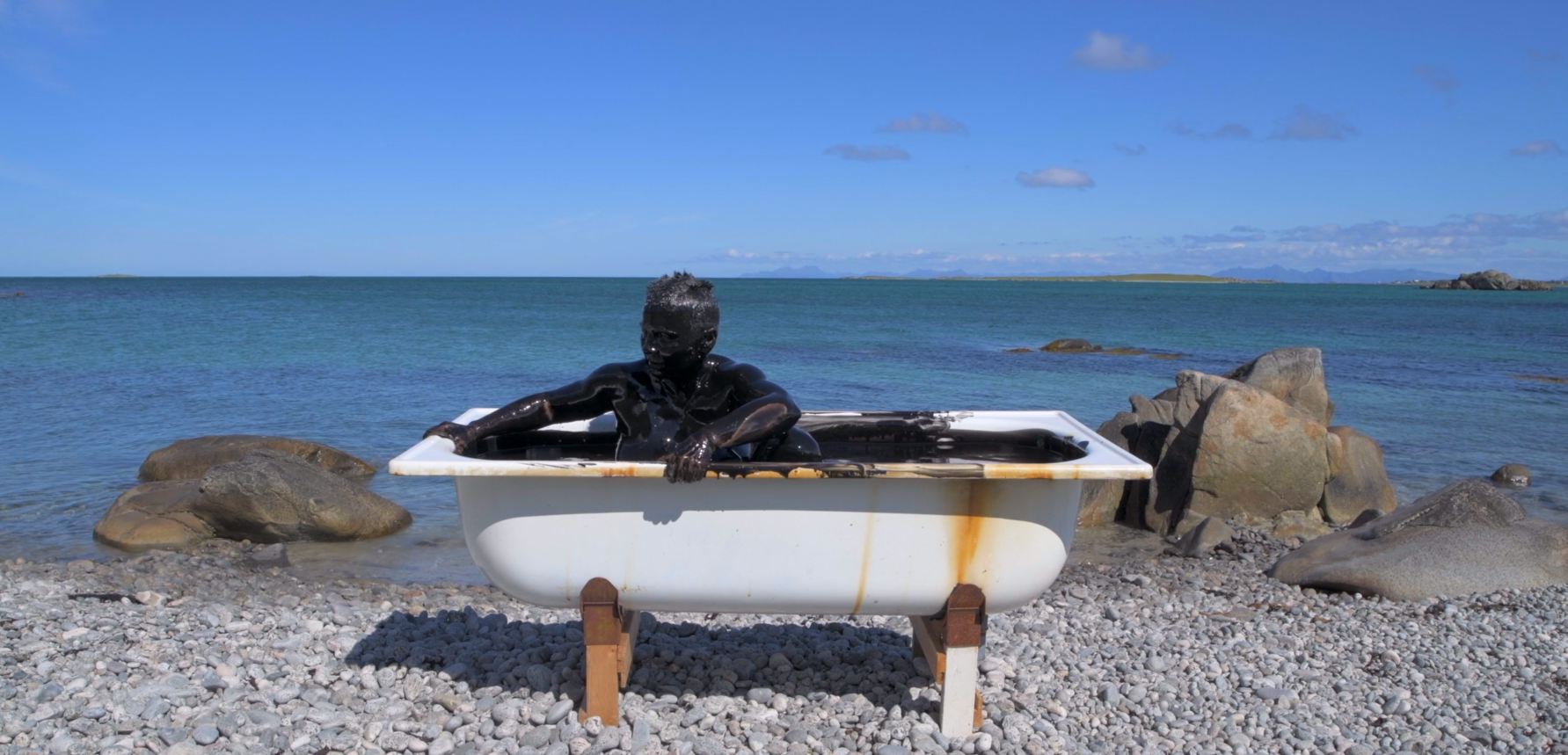
Rita Marhaug: On yıllardır sanatçı olarak çalışırken, uygulamalarım elbette yıllar içinde değişti. Çizim, baskı ve fotoğrafçılık eğitimi aldım ve tüm bu alanlar yıllar boyunca çalışmalarımın bir parçası oldu. Sonuçlar bireysel çizimler, baskılar, sanatçı kitapları ve/veya enstalasyonların ve ortak projelerin bir parçası olarak sunuldu. Sanat uygulamamın bir diğer önemli yönü ise performans. Bu, 90'lı yıllarda, temamın izleyiciye ulaşmak için başka bir araca ihtiyaç duyduğunu fark ettiğimde başladı. İstediğim şey, “güç” ve “kırılgan” durumları tanımlamak için fiziksel ve mevcut bir şeydi. Mevcut beden, birçok çalışmamda önemli bir araç haline geldi. Yıllar içinde bunların bir kısmı kısa video filmler ve fotoğraflar haline getirildi. Temalarım da elbette yıllar içinde değişiklikler geçirdi. 90'ların sonlarından itibaren uzun bir süre boyunca “aile” önemli bir unsurdu ve hala bazen bu konuya geri dönüyorum. Son 15 yıldır ilgilendiğim konu, deniz yatağındaki doğal gaz ve petrol kaynaklarına bağlı olan Norveç'in zenginliğiydi. Norwegian Liquid performans serisi, birkaç yıl boyunca gelişti ve bu süreçte karşılaştığı bir dizi unsuru kapsar hale geldi. Siyah ve beyaz; görsel ve dilsel olarak, nihai bir kontrast. Cilt; birey ve dünya arasındaki arayüz. Kimlik; çeşitli bağlamlarda sanat üretimimin merkezinde yer alır, özellikle de kadınlık ve erkeklik, çocuklar ve yetişkinler üzerine odaklanan erken dönem çalışmalarımda. Norwegian Liquid, birey ve ulus arasındaki gerilim içindeki kimlikle ilgilenir. Ulusal ve bireysel anlayışlarımız genellikle birbiriyle çelişir. Aynı şey, gerçeklik ve ulus kavramı ile birey için de geçerlidir: Norveç, el değmemiş doğası ile tanınan bir ülke olarak sunulurken, aslında dünyanın yedinci büyük petrol ihracatçısıdır. Birey, kırsal kesimde kökleri olan geleneksel olarak ılımlı bir kültür ile sınırsız, uluslararası, post-endüstriyel bir bilgi-eğlence toplumu arasında kalmıştır.
The Barrel - Rita Marhaug
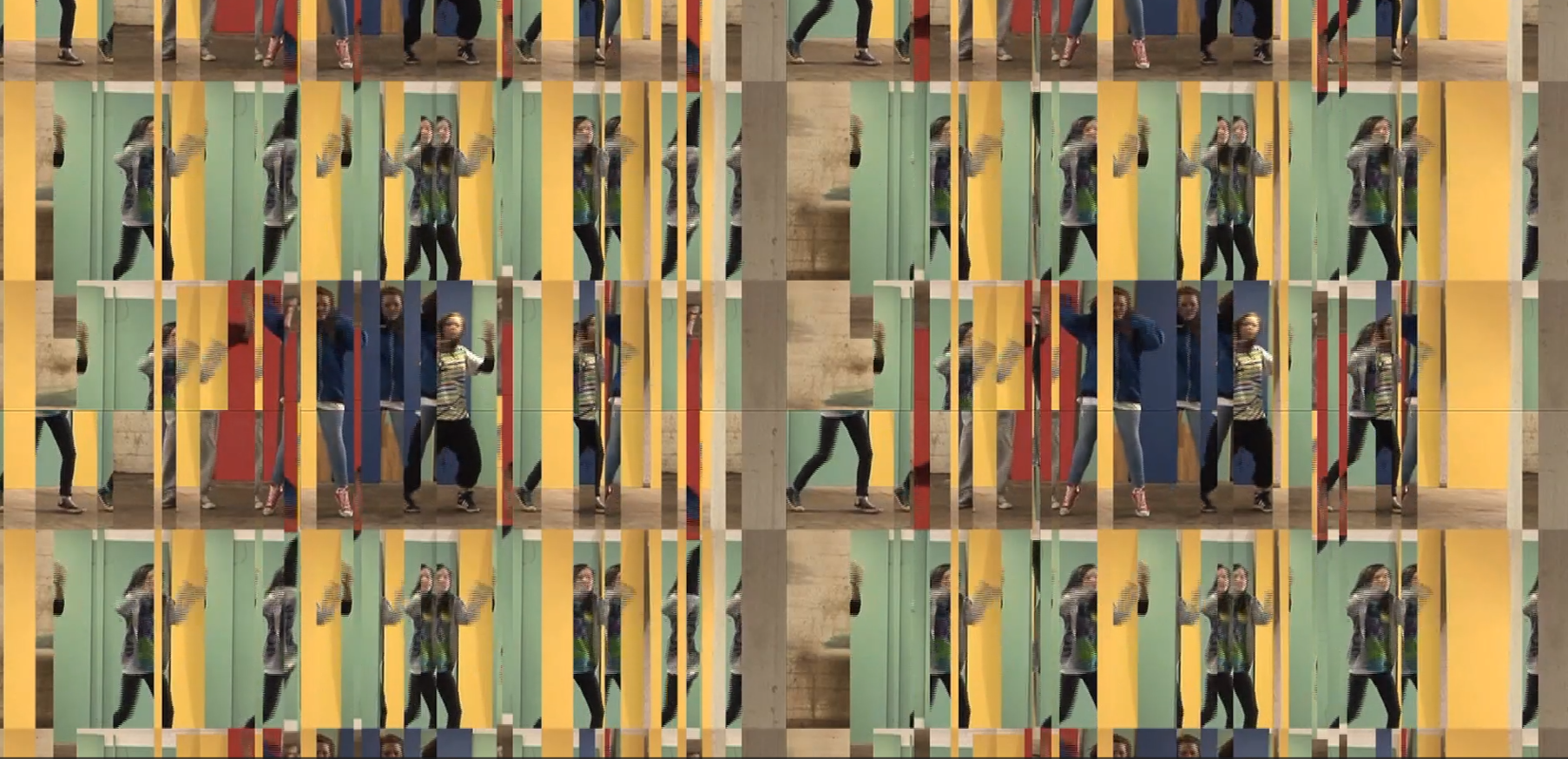
Tone Myskja: Sanat pratiğimde sergiler, konserler ve sahne performansları aracılığıyla video ile görsel ve heykelsi bir unsur olarak çalışıyorum. Müzikal bir yaklaşımım var, karmaşık ve katmanlı videolar ve enstalasyonlar besteliyorum. Tematik olarak, çalışmalarımın çoğu dilin, algının ve kimliğin karmaşıklığıyla ve insan deneyiminin yaşadığımız zaman ve içinde bulunduğumuz fiziksel, sosyal ve kültürel manzaralar tarafından nasıl şekillendirildiğiyle ilgilidir. Bizler her zaman hareket halindeyiz: zaman, düşünceler ve beden aracılığıyla. Beden algısının, düşünce ve görme kadar deneyimin ayrılmaz bir parçası olduğu heykelsi enstalasyonlar yaratıyorum. Ölçek ve format, hem video düzenlemede hem de heykelsi bileşenlerin ve video projeksiyonlarının fiziksel tasarımında sanat pratiğimde çok önemli unsurlar. İzleyicilere düşünsel ve sürükleyici bir deneyim sunmayı amaçlıyorum.
Videokunstarkivet arşivi gibi bir koleksiyonda yer almak sizin için ne anlama geliyor? Bu arşiv, kariyerinize veya sanata bakış açınıza nasıl katkıda bulundu?
Mattias Härenstam: Bu koleksiyona dahil edilmek benim için bir onur. Ayrıca, eserlerin sadece “ortadan kaybolmak” yerine, özenle saklanıp erişilebilir durumda olması da çok güzel bir duygu. Bu gösterimde yer alan eserler 20-25 yıl önce yapılmış ve bunların hala “hayatta” olduğunu görmek elbette büyük bir mutluluk.
Paul Tunge: Bu önemli çünkü bu, zaman içinde çalışmaları koruyan ve muhafaza eden bir kuruluş olduğu ve filmlerin gelecekteki çalışmalar için erişilebilir olduğu anlamına geliyor.
Pierre Lionel Matte: Arşivin bir parçası olmak benim için iki nedenden dolayı önemli: 1. Eserlerimin daha geniş bir bağlamda keşfedilip görülebilmesi ve 2. Elektronik medya teknolojik değişikliklere karşı savunmasız olduğundan, gelecek nesiller için korunabilmesi. Arşivin, daha geniş bir kitlenin Norveç video sanatındaki büyük çeşitliliği keşfetmesi için bir kaynak olabilmesi de ilham verici.
Pas de Deux for Factory and Ocean - Pierre Lionel Matte
Randi Annie Strand: Videokunstarkivet'in bir parçası olmak benim için çok anlamlı. Zamana dayalı sanat eserleri, diğer sanat eserleri kadar kolay belgelenip aktarılamaz. Sonuç olarak, sanat tarihinde yeterince temsil edilmeyebilirler. Arşiv, önemli bir araştırma kaynağı ve sanat tarihimizi tamamlayan bir araçtır. 1999 tarihli filmimi göstermeyi seçmiş olmanız, hem arşivin geçerliliğini hem de Ars longa, vita brevis (Sanat uzun, hayat kısadır) atasözünün doğruluğunu gösteriyor.
Rita Marhaug: Videokunstarkivet'in varlığı birçok açıdan büyük önem taşıyor. Eserinizin korunacağını ve izleyiciler ile küratörlerin erişimine açık olacağını bilmek bir şey, kendi kontrolünüzden çıkmış olmasının verdiği güvence ise başka bir şey. Sanat elbette çok bireysel bir faaliyet, ancak ben sanatın demokrasi, anlayış ve insanlar arası diyalogun inşasında önemli bir unsur olarak gücüne de inanıyorum.
Tone Myskja: Videokunstarkivet benim için çok önemli bir koleksiyon. Video, performans ve zamanla ilgili sanatla ilgilenenler için, küratörlüğü yapılmamış, açık bir arşiv koleksiyonu ve kütüphaneye erişebilme fırsatı sunuyor. Umarım, arşivi inceleyen herkes, ben de dahil, yeni ve ilginç sanatçılar keşfeder ve onlar hakkında bilgi edinir.
Interior - Tone Myskja
Video sanatı izleyiciyle nasıl bir bağ kurar? Ankara - Türkiye'deki izleyicilerin eserinizden ne tür duygular veya düşünceler edinmesini umuyorsunuz?
Mattias Härenstam: Bence video sanatı diğer sanat türlerinden çok da farklı değil; hepsi izleyicide bir duygu ve merak uyandırmak zorundadır. Bence tüm sanatlar, dili aşan bir şey içeren çok özel bir iletişim biçimidir. İyi sanat ise herkesle iletişim kurabilir. Bu, herkesin beğeneceği anlamına gelmez, ama kim olduğunuz ve nereden geldiğinizden bağımsız olarak herkesle iletişim kurabilir.
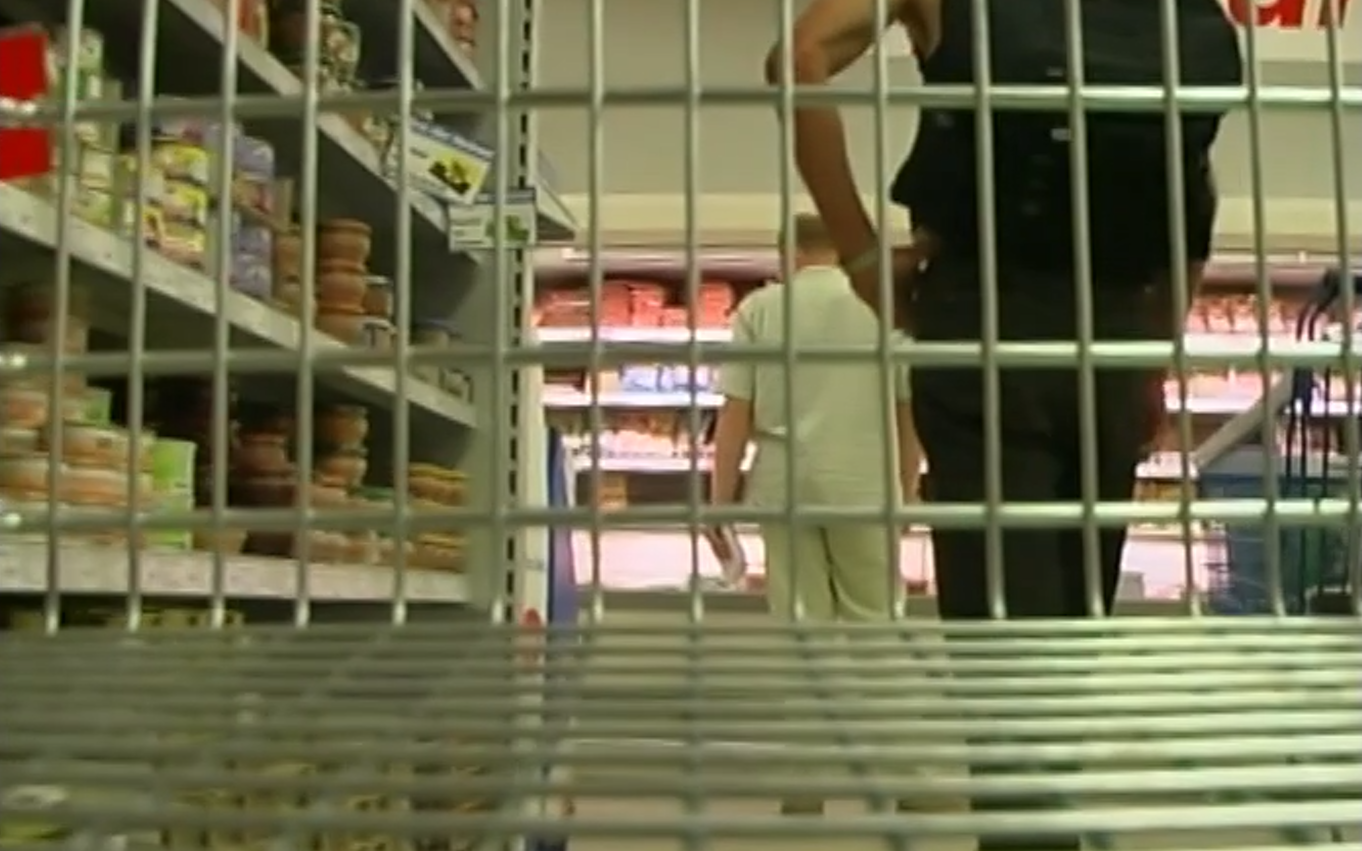
Supermarket - Mattias Härenstam
Paul Tunge: Mimari filmlerle amacım, izleyiciye binaların içindeymiş gibi bir his vermekti. Kamera bu potansiyele sahip. Binalara erişim zor olabiliyor, bu yüzden belgelemek ve izleyiciye erişim imkanı vermek için güzel bir gün. Tarihçi değilim, bu yüzden filmlerimle biraz anlatmaya, bir evin, bir sandalyenin veya bir ressamın tadını vermeye çalışıyorum, böylece izleyicinin kendi araştırmasına bir geçiş görevi görebilsin.
Pierre Lionel Matte: Video sanatı zamana dayalı olduğu için bir tür gelişme veya dramaturji içerebilir ve zamanla anlatı, kavramsal ve duygusal durumlarda değişiklikler olabilir. Bu nedenle video sanatının izleyicinin merakını uyandırabileceğini ve böylece izleyiciyi hem entelektüel hem de duygusal olarak etkileyebileceğini düşünüyorum. Ancak zamana dayalı çağdaş sanatın çoğunda olduğu gibi, izleyicinin elde edeceği fayda, esere gösterdiği sabır ve çabayla artacaktır. Çalışmalarımın çoğu, ormanda yürüyüş gibi gündelik durumlara dayanıyor ve bu şekilde izleyicinin kendi deneyimleriyle bağlantı kuracağına inanıyorum. İzleyicinin hem hayatımızda etrafımızda var olan şiiri fark etmesini, hem de insanlığın ve parçası olduğumuz doğal dünyanın kırılganlığını kabul etmesini umuyorum.
Randi Annie Strand: Braille ve işaret dili ile çalıştım ve çalışmaları herhangi bir grup aidiyetine dayalı olmaksızın geniş bir kitleye sundum. Herkes dünyayı dokunsal olarak deneyimler, herkes temel şeyleri beden diliyle ifade eder. Benim için hem Braille hem de işaret dili, engellere ve farklılıklara rağmen insanların iletişim kurma yeteneği ve istekliliğinin birer yansımasıdır. Umarım film, tüm sınırların ötesinde bir topluluk hissini ifade eder ve aktarır.
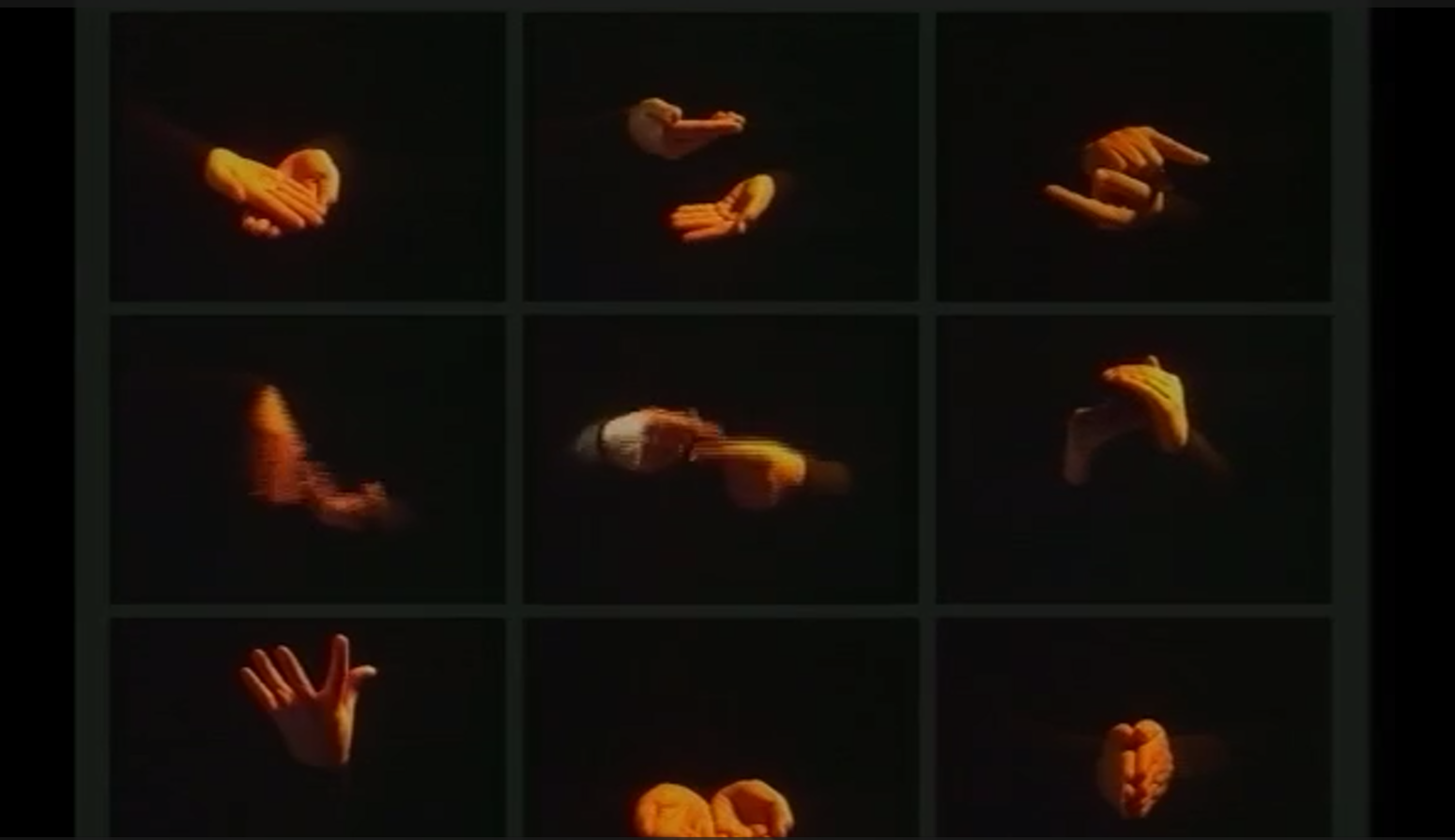
Silent Sign - Randi Annie Strand
Rita Marhaug: Video sanatı çok farklı şeyler olabilir, bu yüzden izleyiciyle tek bir bağlantı kurmak zor. Bununla birlikte, günümüzde video, akıllı telefonu olan “herkesin” bu araca erişebildiği bir bakıma çok demokratik bir ortamdır. Bu durum, sadece 40 yıl önceki medya durumundan çok farklıdır. Filmlerimde de görüldüğü gibi, benim video ile çalışma yöntemim, genellikle tek çekimde “kamera için performans sergilemek” ve bu anlamda eylemin gerçeğini anlatmak, hiçbir şeyi gizlememek veya izleyici için zamanı hızlandırmamaktır. Bu şekilde, Ankara izleyicisinin bir varlık hissi yaşayacağını umuyorum. Çekim yeri, Türkiye'den çok farklı bir doğal çevreye sahip olan Norveç'in kuzeyinde. Öte yandan, burada bulunan doğa, plaj ve okyanus, yani tüm dünyada tanıdık kavramlar. Aynı şey, The Interface (Gresesnittet) ve The Barrel (Fatet) videolarında kullanılan malzemeler için de söylenebilir: kadın bedeni, küvet ve siyah yağ. 200 yılı aşkın bir süredir dünya ekonomisi kömür, petrol ve gaz gibi karbon yakıtlarının kullanımına dayalıdır ve bu durum günümüzde küresel ısınma ve kritik eşik noktasına yol açmıştır.
Tone Myskja: Sergilenen video çalışmalarımın çoğu heykelsi enstalasyonlar olarak sunuluyor. Ankara sergisinde üç video bir gösterim programında sunulacak olsa da, izleyicilere düşünmeye sevk eden ve kendilerini kaptıran bir deneyim yaşatmasını umuyorum.
ENGLISH BELOW
How would you briefly describe your artistic practice? What themes or concepts typically come to the forefront in work work?
Mattias Härenstam: My practice span over a wide range of different art forms including film, sculpture, installation, printmaking and more. Regardless of material or media, there is a recurrent theme of desire for control and an interest in the situation when it crumbles. Beyond it is the fear of failure and the subsequent fall into some undefined abyss. This "keeping of up appearances at any cost" and the actual cost of doing just that. To me that is not just a psychological or existential state, but just as much a political condition.
Paul Tunge: A side of making auteur driven feature films, I’ve also been making mistet short documentaired the last fifthen years connected to modernism. Serverer docs on modernist architecture, but also piratradio of visual artists and designers. I try to find concepts where i pick subjects where i can use diffrent technichs and forms within the cinema language that can play along or work as a contrast to the subject.
Pierre Lionel Matte: My work has its origin in my personal biography and daily events, contemporary politics and litterature discussing national identity, xenophobia, ecology and art-history. I believe that making and experiencing art is a constant process of learning, and new personal encounters with people and places will inspire my work to always be in a process of change. I often try to reflect on social issues from a personal viewpoint, and examine how daily experiences and events can reflect general and global issues. I enjoy combining the poetic with the political, the humorous with the serious, using a wide range of different techniques, materials and visual styles. In my video works I often performs actions that form the basis for the soundtrack.
Randi Annie Strand: The artist’s book has been my main medium since the 1990s. I have examined the book as a physical, sensory, time-based, interactive and metaphorical medium. For me, the book is not just a medium of text, it is a total field of experience. Ideas around the book and its different components have also brought me out of the book medium, such as into sculpture, installation and film. Language, signs and sensory experiences are central elements in my works. I have explored and dissected various forms of language signs, and have tried to investigate the relationship between our senses. Alongside my artistic career, I worked for a while in an institution for deaf people. Sign language is a visual language, and it seemed natural to investigate it further as in the film «Silent Sign». Many of the deaf language signs are iconic, and many signs are similar to gestures that everyone uses. In sign language facial expression and gaze are essential for reading. Since many words use the same signs, the meaning of those signs depends on the context in which they occur. By removing facial expression I have tried to open up for a symbolic reading and make the signs communicative on another level.
Rita Marhaug: Working as an artist over the decades, my practice has of course changed over the years. I was trained within drawing, printmaking and photography –and all these aspects have been part of my work over the years. The results has been presented as individual drawings, prints, artist books and/or as part of installations and collaborative projects. Another important aspect of my art practice is performance. This started in the -90 when I realized my theme needed another medium to get through to the audience. What I wanted was something physical and present to describe ‘strength’ and ‘fragile’ situations. The present body became an important tool in many of my works. Over the years some of this has been translated into short video-films and still-photos. My themes has of course also a variations over the years. ‘Family’ was one important aspect for a long period from the late -90s, and I still return to this sometimes. Over the last 15 years my concern had been about the Norwegian wealth, depending on our resources of natural gas and oil in the seabed. The performance series Norwegian Liquid has developed over several years to encompass a number of elements it has met along the way. Black and white; visually and linguistically, an ultimate contrast. Skin; the interface between individual and world. Identity; central in my art production in a variety of contexts, and especially in my early works focusing on femininity and masculinity, children and adults. Norwegian Liquid deals with the identity in tension between individual and nation. Our national and individual understanding often runs in contrast. The same can be said about reality and idea of nation, as well as of individual: Norway is presented as a country of pristine nature, while in fact we are the seventh largest oil exporter in the world. The individual is pulled between a traditionally moderate culture with roots in the rural, and a limitless, international, post industrial infotainment society.
Tone Myskja: In my artistic practice I work with video as a visual and sculptural element through exhibitions, concerts, and stage performances. I have a musical approach, composing complex and layered videos and installations. Thematically, much of my work is related to the complexity of language, perception, and identity, and how human experience is shaped by the time we live in and the landscapes—physical, social, and cultural—we inhabit. We are always in motion: through time, thoughts, and the body. I create sculptural installations where bodily perception is just as integral to the experience as thought and vision. Scale and format are crucial elements in my artistic practice, both in the editing of video and in the physical design of sculptural components and video projections. I seek to offer viewers a contemplative and immersive experience.
What does it mean for you to be featured in a collection like the Videokunstarkivet archive? How has this archive contributed to your career or your perspective on art?
Mattias Härenstam: It is an honor to be included in this collection. And also the idea of the work not just ”disappearing”, but been taken care of and being available is a good feeling. The work included in this screening was done 20 - 25 years ago and it is of course a great pleasure to see it still being ”alive”.
Paul Tunge: It’s important because it means that there are an orginasation that protects and preserve the work over time, and that the films are avaiable for future studies.
Pierre Lionel Matte: Being part of the archive is important to me for two reasons; 1, that my works can be discovered and seen in a larger context, and 2, since electronic media is vulnerable to technological changes, it can be preserved for posterity. That the archive also can be a resource for a larger audience to discover the great variety in Norwegian video art is inspiring.
Randi Annie Strand: It means a lot to me to be part of Videokunstarkivet. Time-based art cannot be documented and communicated as easily as other artworks. As a result, they may be underrepresented in art history. The archive is an important source of research and a way to complement our art history. The fact that you choose to show my film from 1999 shows both the validity of the archive and the truthfulness of the well-known expression Ars longa, vita brevis.
Rita Marhaug: The existence of Videokunstarkivet is of great importance in several contexts. Knowing that your work will be preserved and available to audience and curators is one thing, being out of your own hands is securing. Art is of course a very individual activity, but I also believe in the force of art as an important element of building democracy and understanding and dialogue between people.
Tone Myskja: Videokunstarkivet is a very important collection for me. It is a great opportunity for people interested in video, performance and time related art to have an open, not curated, archived collection and a library to look into. Hopefully, everyone looking into the archive, me included, will find and learn about new and interesting artists.
How does video art forge a connection with the viewer? What feelings or thoughts do you hope the audience in Ankara - Türkiye will take away from your work?
Mattias Härenstam: I think video art isn’t all that different from other art forms - they all have to evoke a feeling and a curiosity in the viewer. I think all art is a very special form for communication that involves something that goes beyond language. And good art can communicate with anyone. That doesn’t that it will be liked by everyone, but that it can communicate to anyone regardless of who you are and come from.
Paul Tunge: My goal with the archtecture films has been to create a feeling of beeing in the buildings, the camera has that potential, foten there buildings can be hard to access, so its a fine day to document and give pipene the access. Im not an historian so i try with my films to say a little, to give a taste of a house, a chair or a painter, so it can work as a segway into the viewers own research.
Pierre Lionel Matte: Since video art is time-based and can therefore contain a form of development, or dramaturgy, and over time a change in narrative, conceptual and emotional states, I believe that video art can stimulate the audience's curiosity - what comes next ?- and thus engage the audience both intellectually and emotionally. But as with much time-based contemporary art, the audience's benefit will increase with the patience and effort they themselves bring to the work. Many of my works are based on everyday situations, such as a walk in the forest, and in this way I believe that the viewer can connect it to their own experiences. I hope that the audience can both recognize the poetry that exists around us in our lives, but also acknowledge the vulnerability of both humans and the natural world we are a part of.
Randi Annie Strand: I have worked with both Braille and sign language, and presented the works to a broad audience, not based on group affiliation of any kind. Everyone experiences the world tactilely, everyone expresses essential things through body language. For me, both Braille and sign language are images of people's ability and willingness to communicate despite obstacles and differences. I hope the film expresses and conveys a feeling of community across all types of boundaries.
Rita Marhaug: Video art can be so many different things, so it is hard to pinpoint one connection to the viewer. That said, video today is a very democratic medium in the way that ‘everyone’ with a smart phone has access to the tool. This is a very different situation from the media situation only 40 years back. My way of working with video, like my films show, is ‘performing for camera’ normally one take and in that sense telling the truth of the action, not hiding anything or speeding the time for the audience. In this way I hope the Ankara audience will have a feeling of presence. The location of the filming is in the north of Norway, a very different natural environment from Turkey. On the other hand, the nature present is the beach and the ocean, -both familiar concepts all over the world. The same thing could also be said about the material in play in the videos The Interface (Gresesnittet) and The Barrel (Fatet): the female body, the bathtub and the black oil. For more than 200 years the world economy has been dominated by the burning of carbon; coal, oil and gas –all leading to the situation today of global warming and the tipping point.
Tone Myskja: Most of my exhibited videowork is presented as sculptural installations. I hope that even though the three videos will be presented in a screening program in the Ankara exhibition it can give the viewer a contemplative and immersive experience.